Institution
Initially founded by César Manrique in 1983, César Manrique Foundation (FCM) became operational in 1992. Its headquarters is at the artist’s former home at Taro de Tahíche, Lanzarote.
The FCM is a private, not-for-profit cultural institution whose activities rest on four complementary pillars: César Manrique, the visual arts, the environment and land use, and cultural reflection.
According to its charter, FCM’s mission includes: conserving and studying César Manrique’s artistic legacy and enhancing its visibility; fostering exhibitions, studies and initiatives on the relationship between art and nature; organising activities that contribute to environmental conservation and the sustainability of land use and the transformation of the natural medium, in particular on Lanzarote and the other Canary Islands; and furthering intellectual and creative activity and critical thinking.
Equipments
Fundación César Manrique (headquarters)

The complex that presently constitutes Fundación César Manrique’s HQ was once the artist’s home (now a museum open to visitors), with its service quarters and a garage, all sited at Taro de Tahíche. These areas were recycled by the artist himself to house the museum and its administrative and service infrastructures.
The foundation’s main offices are located alongside the museum in the former service quarters, reconditioned prior to the creation of FCM.
The building’s 340 m² accommodate the reception and administration areas, library, executive suite and FCM’s Conservation, Land Management and Environment, Culture, Communication and Education Departments.
The office is open to the public Monday through Friday from 8:30 AM to 3:30 PM.
Telephone: +34 928 84 31 38
The service area (bar and shop) occupy the former garage.
César Manrique’s Museum and Home at Haría

In 1988, César Manrique moved from Taro de Tahíche to Haría. There he built a home over the ruins of a former rural manor located on an estate measuring 11 261 m², reconditioned and remodelled by the artist in keeping with the island’s vernacular architecture. He kept some walls and materials, but true to his hybrid approach, he also included a few modern elements, such as a bathroom, in which he applied his original vision of that functional space along the lines of ideas implemented at Taro de Tahíche.
With its square floor plan surrounded by a generously sized palm grove, the house originally had two inner courtyards, a balcony, three bedrooms, two bathrooms, two small sitting rooms, a kitchen and a living room with a stone hearth. Manrique used stone and wood profusely as his core materials.
The typology, space and personality of this second home differ substantially from the atmosphere prevailing at Taro de Tahíche. More private, cosier and conventional, set in a former palm grove, the Haría home stands as proof of the artist’s personality in its good taste, allusions to traditional architecture and subtle interaction with the historic and natural environment, eschewing any dramatic effect. He recycled materials and used objects devoid of context, exhibited merely for their aesthetic value.
He also annexed an apartment to the main building for his service personnel. The enlargement undertaken in 1992 was left unfinished upon his death.
The estate had two structures detached from the main building: a garage and a large, half-buried studio.
José Saramago Hall (Arrecife)

José Saramago Hall is sited at Plaza de la Constitución in Arrecife, capital city of Lanzarote. This building houses a César Manrique reading and research area and rooms for cultural activities and encounters.
Its 205 m² are fitted with environmental control as well as audio, visual and lighting services.
It opened on 24 November 2007 on the occasion of the exhibition ‘José Saramago: the consistency of dreams’, attended by José Saramago in person as well as Spain’s erstwhile Minister of Culture, César Antonio Molina.
José Saramago Hall was designed by architect Luis Díaz Feria.
Departments
FCM’s activities revolve primarily around projects in the fields of art, the environment and cultural reflection. Much of the institution’s energies are devoted to conserving, researching and enhancing public awareness of César Manrique’s oeuvre.
Its management is divided into three areas: Art, Culture and Environment; Administration and Human Resources; and Technical Services and Maintenance.
The Art, Culture and Environment area activities are organised by its six departments.
Library And Archives Department
This department catalogues the foundation’s bibliographic, graphic and audio-visual collections. It also implements a document acquisitions policy in support of FCM’s areas of specialisation. It participates in a publications exchange programme with other libraries, publishers and institutions.
Lastly, it is responsible for the library specialising in contemporary art and the environment, the art-nature-public art document centre and the foundation’s library and archives dealing specifically with César Manrique.

Department of Conservation and Plastic Arts
This department conducts museum-specific tasks, conserves and disseminates César Manrique’s oeuvre, runs the temporary exhibit programme and collaborates with other institutions in the area of the plastic arts.

Cultural Programmes Department
This department programmes the institution’s cultural activities. It organises conference series, seminars, debates, round tables, workshops and courses on public space, landscape, culture and critical thinking.

Land Management and Environment Department
This department defines FCM’s public positions on land management and environmental issues. It also engages in FCM’s environmental- and land management-related educational activity.
It delivers courses on the environment, formulates environmental write-ups, seeks authorised legal opinion and files appeals in public information proceedings. It participates actively in island forums on nature and land management.

Education Department
The Education Department is a bridge running between FCM’s museum and environmental activities and its museum visitors. One of its main objectives is to interest the school-age population in contemporary art and the specificity of its materials and language, as well as to heighten children’s sensitivity through direct contact with plastic art.
It also aims to facilitate educators’ work by furnishing them with teaching materials. It furthers encounters, reflection and analysis to empower and infuse vim into an approach to education that favours new social behaviour toward nature. Another of its focuses is the enhancement of public awareness of César Manrique’s oeuvre and approach to the environment.

Publications Service
Pursuant to FCM’s plastic, environmental and cultural objectives, the Publications Service implements an editorial policy associated with the institution‘s aims and activities.

Nature and objectives
Naturaleza y objetivos
La FCM es una institución cultural privada que fundamenta su actividad a través de tres áreas complementarias de trabajo: las artes plásticas, el medio ambiente y la reflexión cultural.
La FCM, institución sin ánimo de lucro, se autofinancia captando sus recursos económicos básicamente a través de dos vías: las entradas al museo y el merchandising (línea de productos César Manrique). Todas las actividades organizadas por la FCM son gratuitas.
Los objetivos de la actividad de la FCM, recogidos en su acta fundacional, son los siguientes:
– Conservar, estudiar y difundir la obra y el legado artístico de César Manrique.
– Promover exposiciones, estudios e iniciativas que atiendan a las relaciones entre arte y naturaleza.
– Desarrollar actividades que favorezcan tanto la conservación del medio natural como su transformación sostenible y la ordenación del territorio.
– Promover la actividad intelectual, creativa y el pensamiento crítico.
Collections
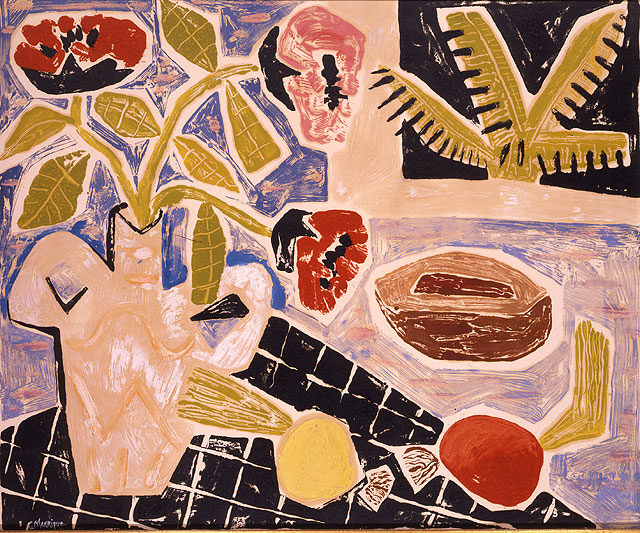
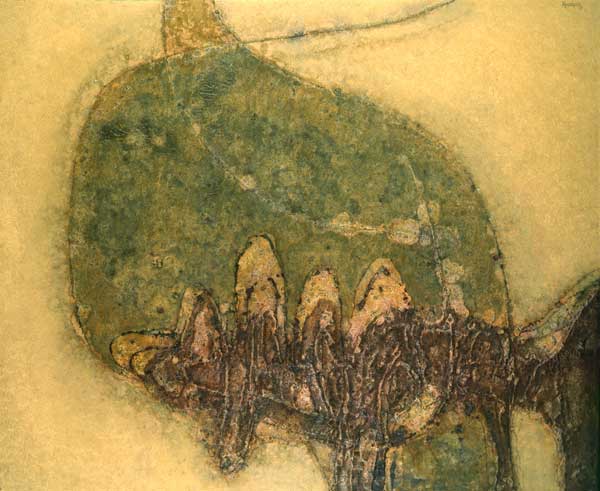
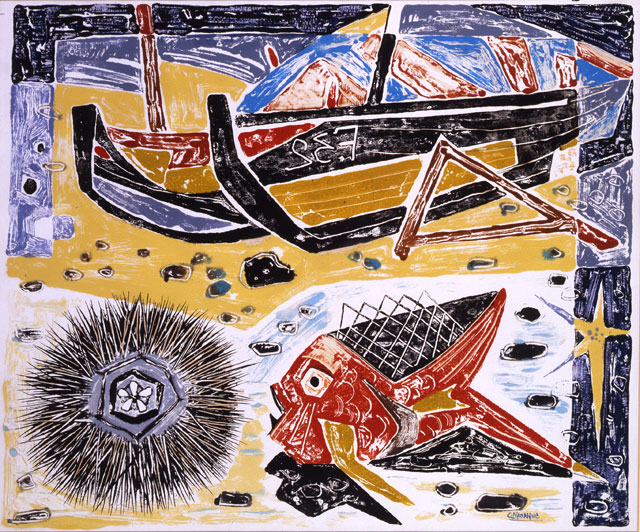
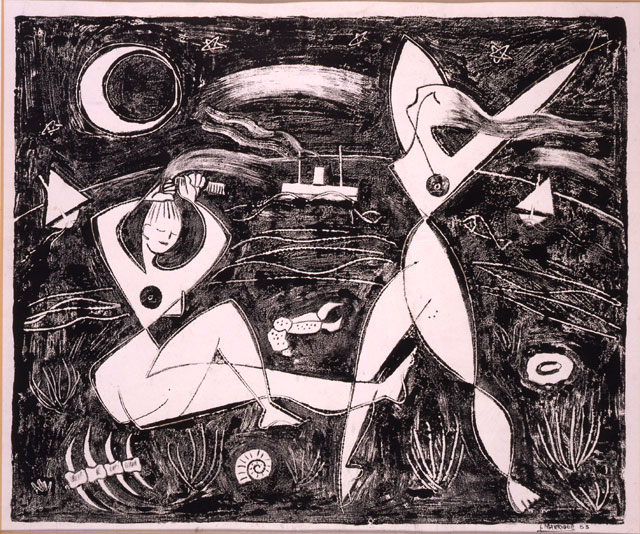
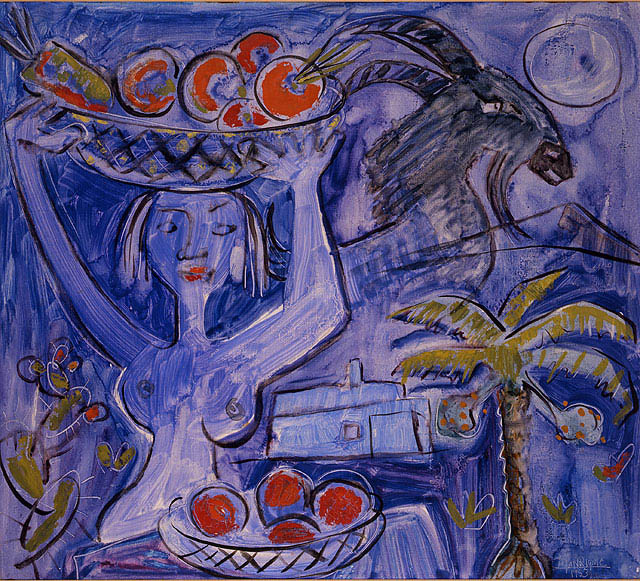
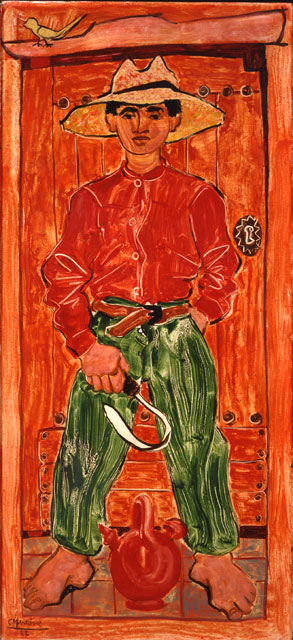
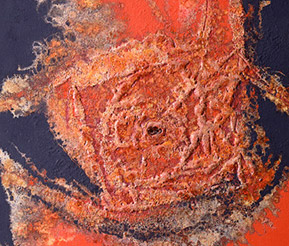
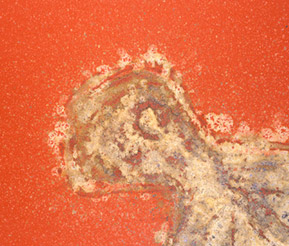
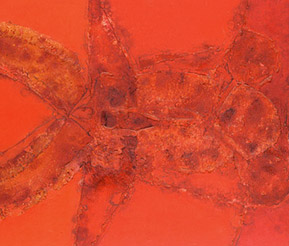
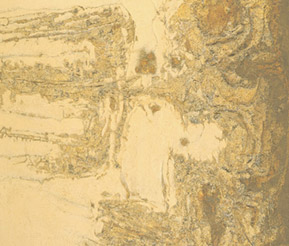
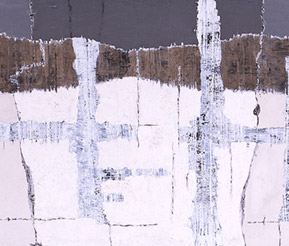
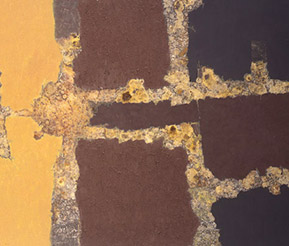
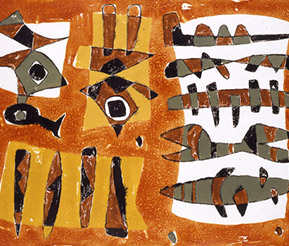
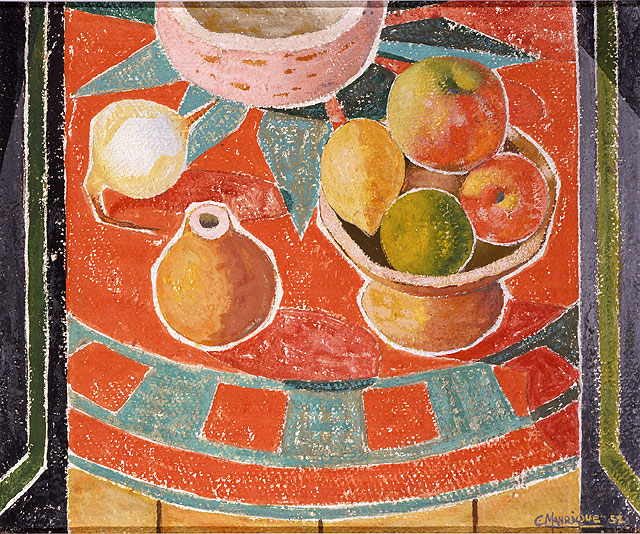
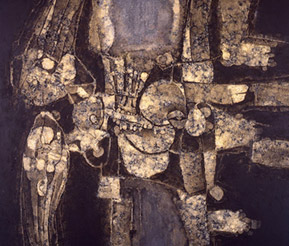
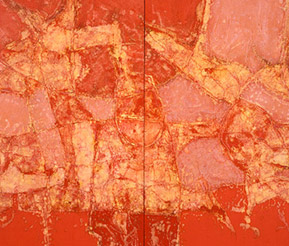
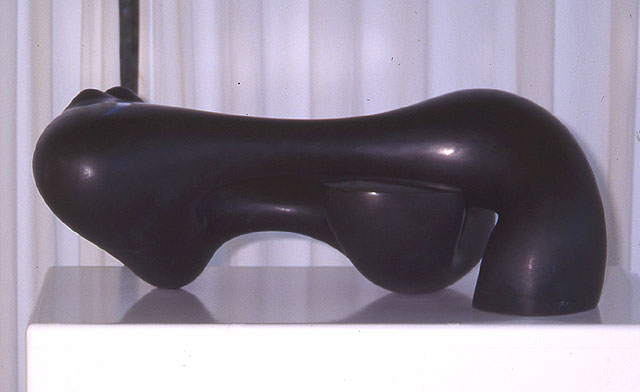
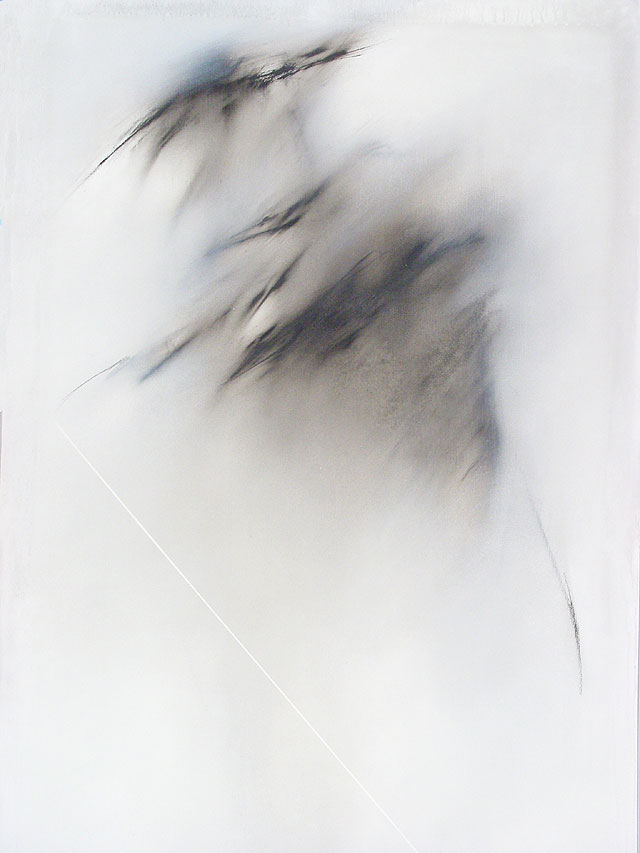
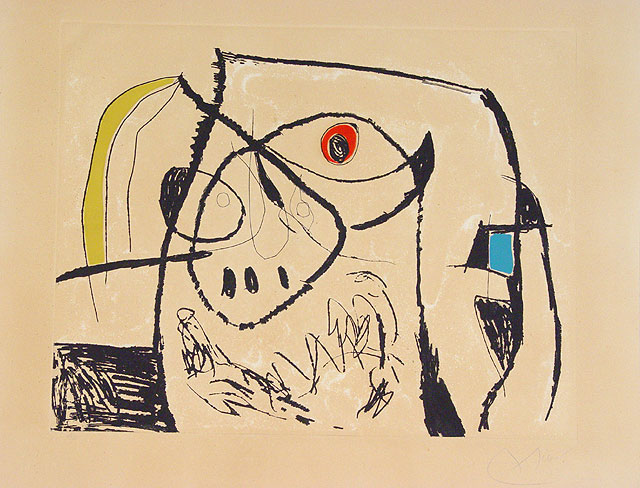
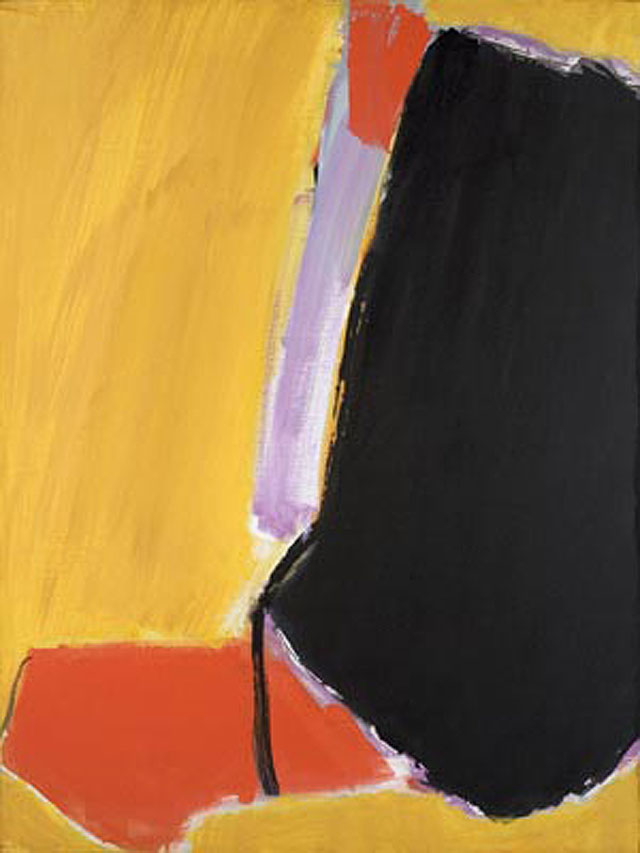
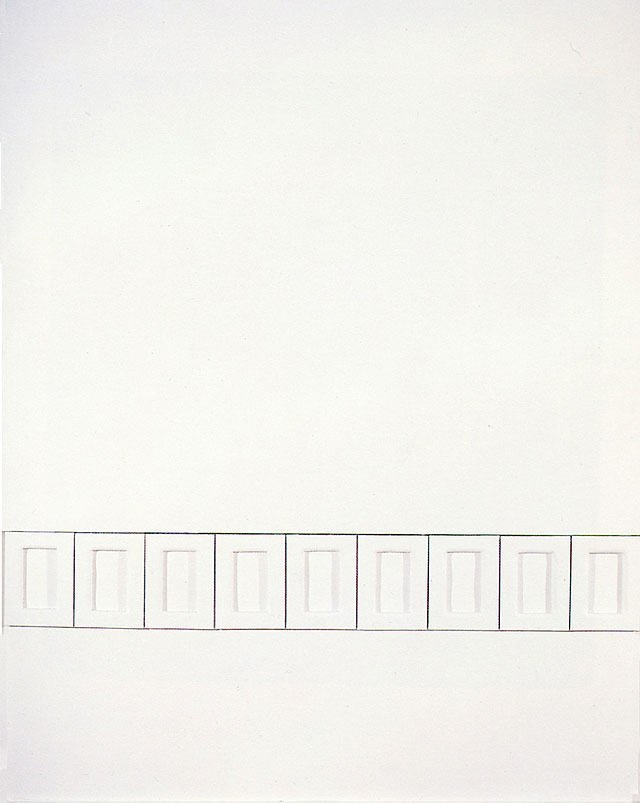
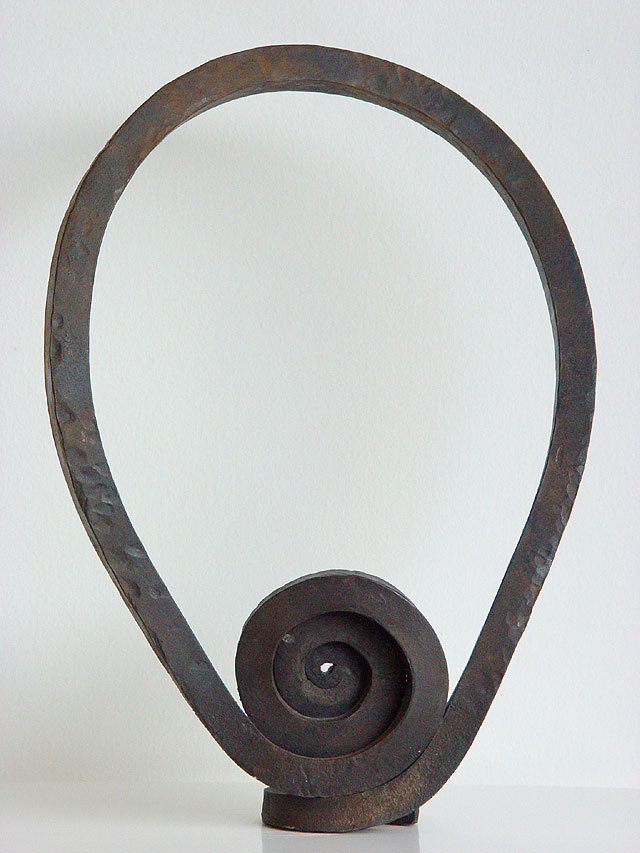
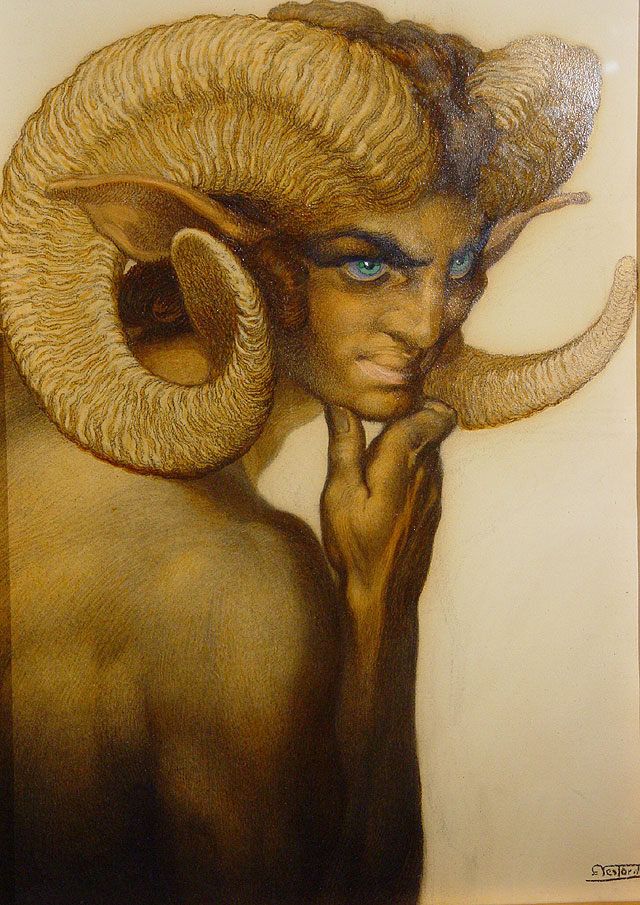
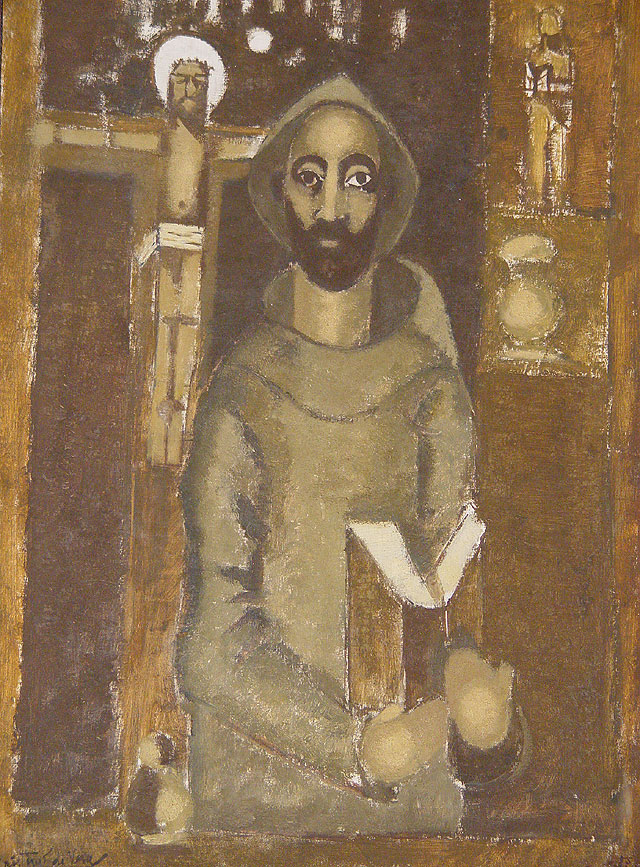
At this time, Fundación César Manrique houses two collections: one of contemporary art compiled by its founder, consisting primarily of works by artists of his generation (‘Fondos’ [holdings]), and the other representative of the institute’s namesake artist (Colección Manrique [Manrique collection]). The latter is exhibited in three of the halls at Taro de Tahíche: ‘Espacios’ [spaces], with works involving the natural environment; ‘Bocetos’ [sketches] with rough drawings for his murals, designs, mobiles and ceramics; and ‘Pintura’ [painting] with a broad selection of his pictorial oeuvre.
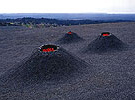
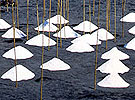
FCM also has its own collection of works revolving around the relationship between art and nature that is not normally on display. It feeds the foundation’s temporary exhibit policy with works by artists for whom nature is the core theme in their creative endeavour, expressed in contemporary language. The Art-Nature collection presently holds works by Nils-Udo, Thomas Joshua Cooper, Miguel Ángel Blanco, Axel Hütte, Hamish Fulton, Giuliano Mauri and Jan Hendrix.
The collection on exhibit at César Manrique’s Museum and Home at Haría comprises a broad sampling of the artist’s personal belongings: furniture and houseware; paintings and other works; books, magazines and catalogues; household and decorative items; photographs; domestic tools; clothing, rugs, tapestries…; as well as objects designed by César himself: lamps, tables, headboards…